

La Noir Equestrian News
Ride Smart: Why MIPS Helmet Technology Is a Game-Changer for Equestrian Safety
Nov
Falling off a horse is one of the oldest risks in equestrian sport — but modern helmet tech is changing the conversation about head safety. If you care about riding longer, safer, and with confidence, MIPS-equipped helmets deserve your attention. In this post I’ll explain what MIPS is, why it matters for riders, and how Equinavia and Champion helmets bring that protection to the paddock and the show ring.
What is MIPS — in plain English
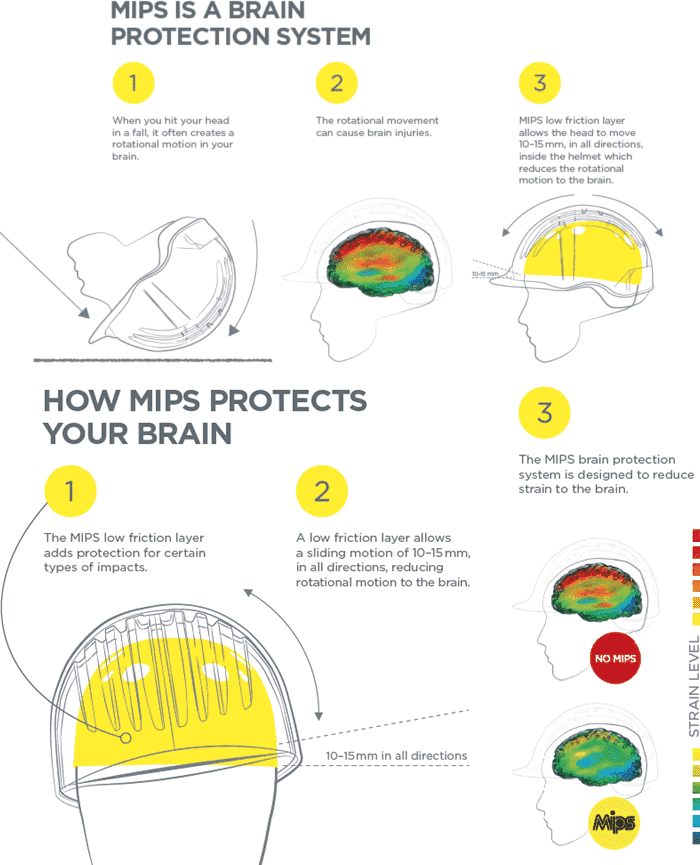
MIPS stands for Multi-directional Impact Protection System. It’s a clever design layer inside a helmet that allows the head to move a few millimetres relative to the helmet during an angled impact. Why is that useful? Because many falls aren’t straight-on — they’re rotational. That twisting motion transfers harmful rotational forces to the brain. MIPS helps absorb and redirect some of that rotational energy, reducing the forces your brain feels.
Think of it as an extra little “slip layer” that gives your brain a better chance when the unexpected happens.
Why rotational protection matters in equestrian sports
Horse-related falls often involve complex motions — sideways, forward, rotating. Compared with a simple vertical impact, angled impacts create rotational acceleration that’s linked to more severe brain injuries. For riders — whether you’re eventing, jumping, dressage, or hacking out — a helmet that addresses rotational forces is one more smart step toward risk reduction.
Key rider situations where MIPS helps:
- Rotational falls from a buck or sudden stop
- Oblique impacts against fences, ground, or obstacles
- Rolls where the head glances along the surface
Equinavia & Champion helmets — designed for riders, built for protection
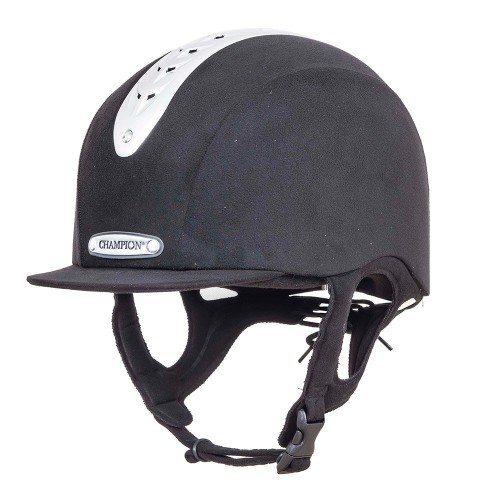
If you’re shopping for a helmet that combines modern safety with rider-focused design, Equinavia and Champion helmets are worth a look. Both brands bring performance and thoughtful ergonomics to equestrian gear, and their MIPS-equipped models strike a balance between protection, comfort, and style.
What riders love about these helmets:
-
Integrated MIPS protection to lower rotational forces on angled impacts.
-
Comfort-first fit systems that stay secure without pressure points (long rides, no nagging discomfort).
-
Breathable liners and vents for better air flow during warm arenas or long hacks.
-
Clean, show-ready aesthetics — you don’t have to choose between safety and looking the part.
-
Adjustable retention systems for a snug, stable fit every time you saddle up.
(If you want, I can draft a product comparison or a short ad for a specific Equinavia or Champion model — just tell me which helmet(s) you’d like featured.)


Fit is the most important part — not just the label
Even the best helmet won’t protect well if it doesn’t fit. A MIPS liner is only effective when the helmet sits correctly on the head:
-
The helmet should sit level on your head — not tipped back.
-
There should be no more than 2–3 finger-widths between your eyebrow and the helmet rim.
-
Side straps should form a V under each ear; buckle snugly under the chin.
-
The helmet should feel snug but not painful — it should not shift when you shake your head.
Getting measured and trying a helmet on — with the padding and retention adjusted for you — is a must.
Comfort + compliance = more consistent wear
One of the underrated safety wins is helmets that riders actually wear. Equinavia and Champion put effort into comfort features (venting, moisture-wicking liners, lightweight shells) that mean riders keep their helmets on for schooling, hacking, and competing. In other words, great comfort equals consistent protection.
A simple buying checklist
When choosing a MIPS equestrian helmet, use this quick checklist:
-
Is MIPS or another rotational-impact tech included?
-
Does it meet current equestrian safety standards in your country/competition?
-
Does it fit securely and comfortably after adjustments?
-
Is ventilation and weight suitable for your typical rides?
-
Do you like the look — will you wear it regularly?
Falling off a horse is one of the oldest risks in equestrian sport — but modern helmet tech is changing the conversation about head safety. If you care about riding longer, safer, and with confidence, MIPS-equipped helmets deserve your attention. In this post I’ll explain what MIPS is, why it matters for riders, and how Equinavia and Champion helmets bring that protection to the paddock and the show ring.
